Cycling Perineum Pain: Causes and Solutions
Nothing kills the joy of a long ride faster than that nagging pressure or numbness right where you don't want it, the perineum (aka the "gooch" or taint zone between your sit bones). Whether you're hitting century rides, commuting daily, or just getting back into cycling, perineal discomfort is one of the most common gripes riders share.
Why Perineum Pain Occurs While Cycling
The perineum is the soft tissue area between your genitals and anus. When you sit on a bike saddle for extended periods, your body weight presses directly onto this sensitive zone. This pressure can compress blood vessels, nerves (especially the pudendal nerve), and soft tissues, leading to pain, tingling, numbness, or a burning sensation.
Prolonged rides make it worse because the compression is repetitive. Studies show that up to 91% of cyclists experience some form of saddle-area discomfort at times, often linked to "cyclist's syndrome" or pudendal nerve irritation. The good news? Most cases are preventable with the right tweaks.

Common Causes: Saddle Pressure and Riding Position
The biggest culprits are usually equipment and setup issues:
- Wrong saddle choice: A saddle that's too narrow forces your sit bones (ischial tuberosities) to miss proper support, shifting weight onto the perineum. Padded but overly soft saddles can let you sink in, increasing pressure on sensitive areas.
- Poor saddle fit: If the saddle is too high, you rock side-to-side, creating friction. Too low, and you bear down harder. Too far forward or back shifts your pelvis incorrectly.
- Improper riding position: Leaning too far forward (common in aggressive road bike setups) rolls your pelvis and directs more pressure to the soft perineum instead of the sit bones.
- Other factors: Tight hamstrings or anterior pelvic tilt (forward-tilted pelvis) can worsen pressure, as can sudden increases in ride length or intensity without recovery.

The Role of Circulation and Compression
At its core, perineum pain often stems from reduced blood flow and nerve compression. When the saddle presses on the perineum, it squeezes arteries and the pudendal nerve, causing temporary numbness (like your leg "falling asleep") or longer-term irritation.
In men, this can affect erectile function or cause genital numbness. In women, it may lead to vulvar discomfort or clitoral pain. Over time, repeated compression risks pudendal neuralgia, a more serious chronic condition with burning or shooting pain.
The key is relieving direct pressure on the central perineum so weight rests on your sit bones, allowing better circulation.
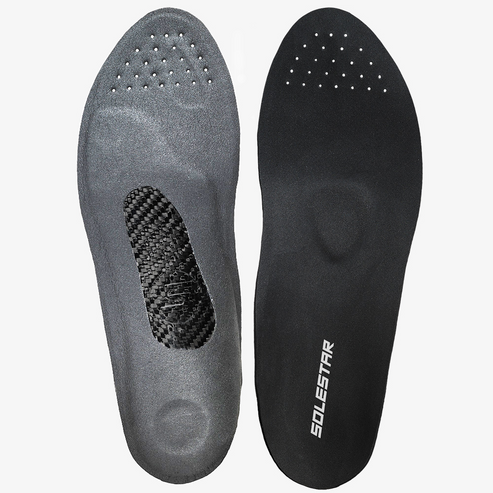
Solestar BLK Wide Insoles
The wide version of the best-selling Solestar BLK cycling insoles. Designed for maximum power transfer, support, and stability during rides. Features carbon core technology and an ergonomic shape for optimal performance and comfort.
Buy nowAdjustments to Reduce Perineum Pain
Start with these practical fixes, many riders see big improvements quickly:
1.- Get a professional bike fit: This is the #1 recommendation. A fitter adjusts saddle height (your leg should have a slight bend at the bottom of the pedal stroke), fore-aft position, and angle. Even small changes (like 1-2 cm) can redistribute weight.

Choose the right saddle Look for:
- A cutout or channel (relief channel) to reduce central pressure.
- No-nose or short-nose designs (backed by research for lowering perineal impact in men).
- Proper width matching your sit-bone measurement (many bike shops offer this).
- Gender-specific options if needed (wider rear for women, deeper channels for men).
2.- Adjust saddle angle: Level or slightly nose-down (1-2 degrees) often helps prevent sliding forward and reduces perineal load. Avoid nose-up tilts.
3.- Stand periodically: On long rides, stand every 10-15 minutes to relieve pressure and restore circulation.
4.- Check handlebar reach and height: If bars are too low or far, you lean excessively — raise them or shorten reach to sit more upright.
Best Tips for Prevention and Recovery
Prevent pain before it starts and recover faster if it happens:
- Wear quality padded cycling shorts (chamois) — No underwear underneath to avoid seams and bunching. Chamois reduces friction and adds cushion.
- Stand and shift positions often during rides.
- Build up ride duration gradually to let tissues adapt.
- Stretch hamstrings and hip flexors regularly — Tight muscles pull your pelvis forward, increasing pressure.
- Take breaks on long rides — Get off the bike, walk around, or do gentle pelvic floor stretches.
- For recovery — Rest from cycling for a few days if pain persists. Use warm baths, gentle massage, or see a physical therapist specializing in pelvic floor or bike-related issues. Persistent numbness or pain warrants a doctor's visit to rule out pudendal neuralgia.
- Hygiene matters — Shower after rides and use chamois cream to prevent irritation or saddle sores.
- Consider cycling-specific insoles (like Solestar BLK or KONTROL) — They stabilize your feet, promote better pelvic alignment, reduce rocking, and help shift weight more evenly onto sit bones instead of the soft perineum area for less pressure and discomfort on longer rides.
With these changes, most cyclists eliminate or greatly reduce perineum pain. Start with a bike fit and saddle experiment — it's often all you need for pain-free miles.
Happy riding — stay comfortable out there! If you've tried these tips, share your experience in the comments. 🚴