
-
Everyday & Fitness
SOLESTAR ACTIVE | Walking and fitness insoles
Regular price CHF 24.00Regular priceUnit price per
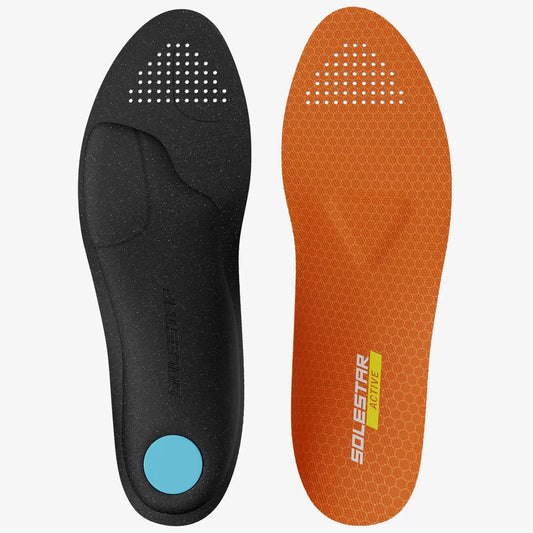
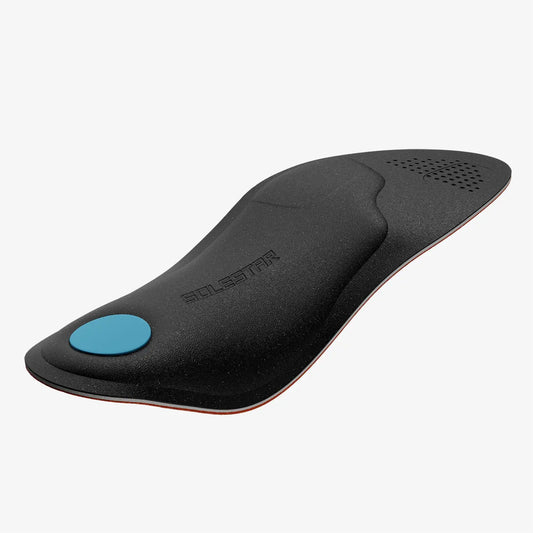
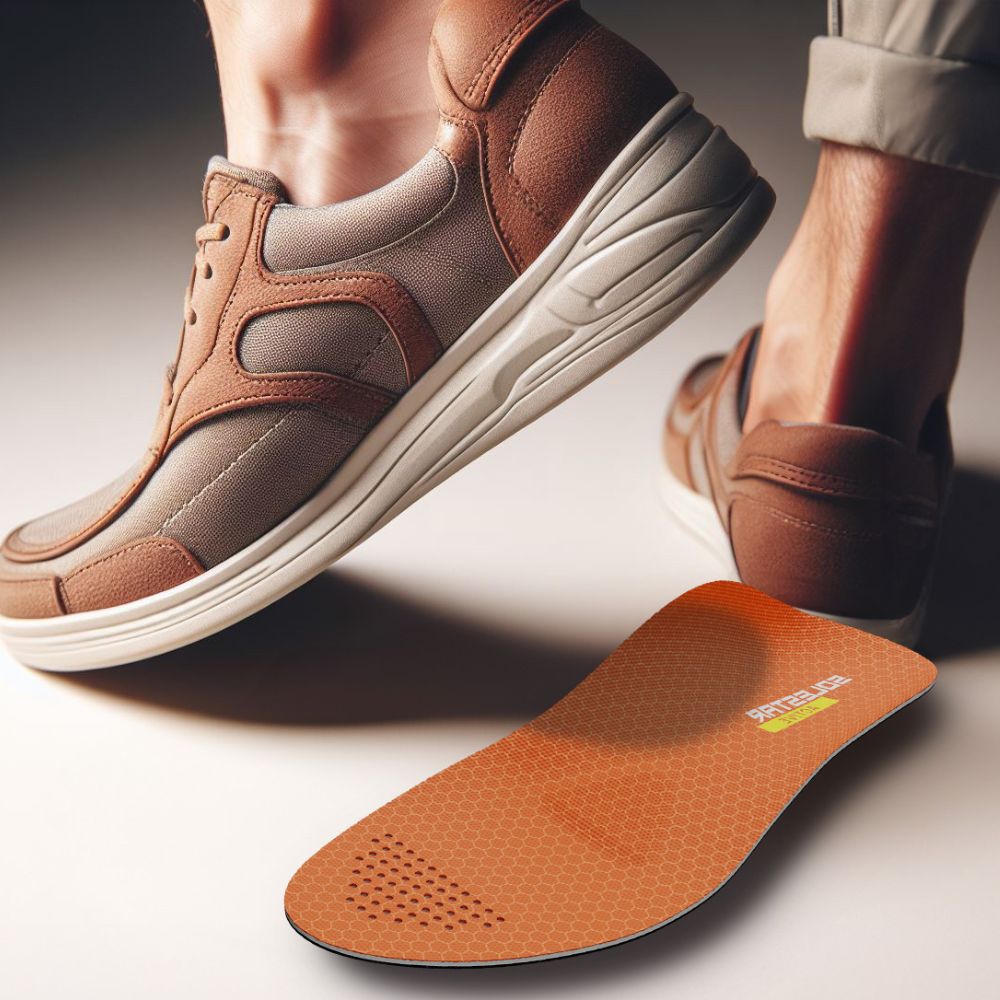
Best Insoles for Walking and Standing All Day
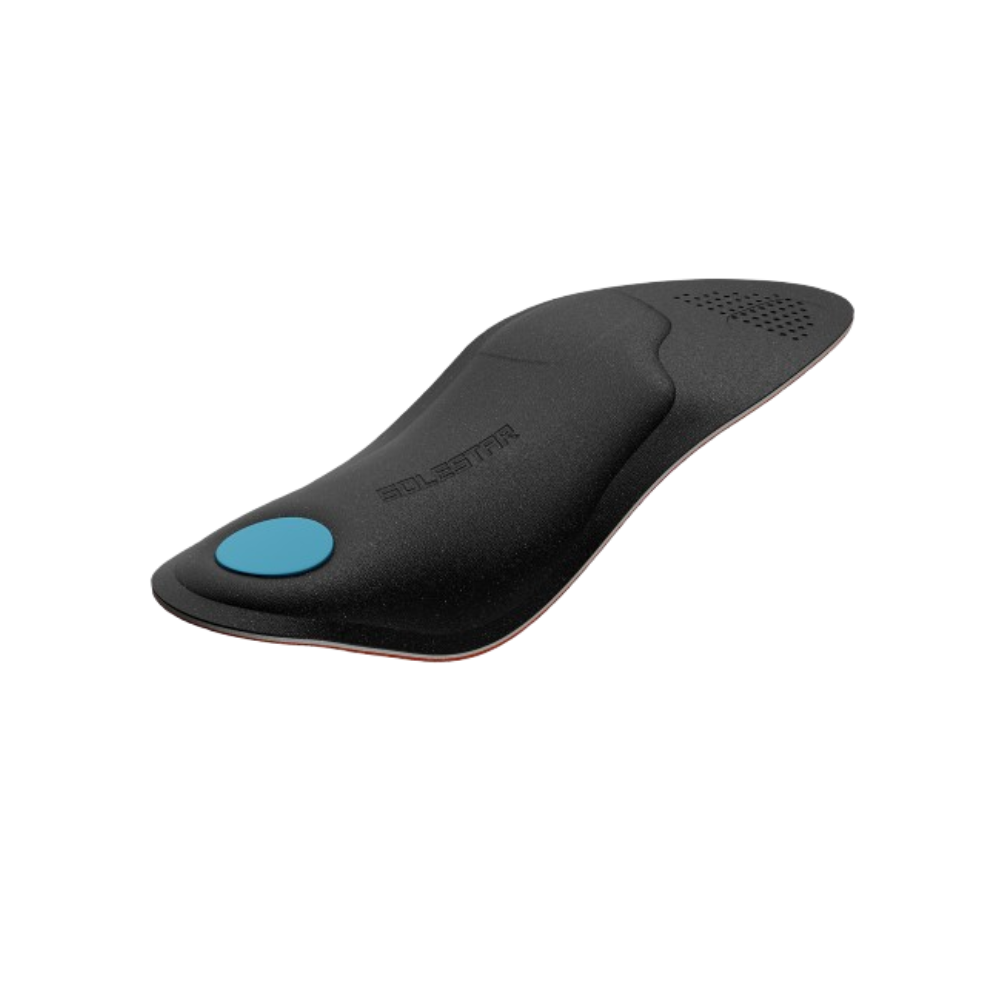
Walking Insoles – Key Benefits:
Let customers speak for us
I love these, I have both the red and the black. These are the best I’ve ever used.

Very comfy!

SOLESTAR KONTROL Wide version | Cycling insole

Love them. I have tried other brands but these are by far the best I’ve ever used.
Sind super

Diese Schuhe sind super damit ich gut Fahrrad, Tretroller und Streetstepper fahren kann. Sie sind gut für meine Füße bei diesen, meinen Freizeit Sportarten. Kann sie nur empfehlen und werde sie wieder kaufen, z.B. um diese mal zu wechseln.

Funktionieren einwandfrei auch für Spreizfüße

Facilmente usabili con scarpette di marca diversa. Migliorano sensibilmente il confort di pedalata
Ich habe einen leichten Senk-/Spreizfuß und Überpronation und bisher auf orthopädische Einlagen gesetzt. Die Solestar sind deutlich leichter und elastischer und machen mehr Spaß beim Laufen, besonders auf zügigen Runden. Trotzdem richten sie meinen Fuß spürbar auf und lassen ihn weniger nach innen knicken.
Genau das, was ich gesucht habe.
Die Passform ist universell, wenn auch in breiter geschnittenen Schuhen (bspw. Asics Gel-Fortitude oder Pursue) ganz vorne im Bereich der Zehen seitlich etwas Luft entsteht. Fällt beim Laufen allerdings nicht auf.

Super die Einlagen hatte vorher fußschmerzen und jetzt garnichts mehr. Konnte ohne Probleme 300km fahren ganz ohne fußschmerzen.
Sehr gut muss mich aber zuerst noch daran gewönnen !
Passen einfach super
La soletta sostiene il plantare in maniera impeccabile migliorando nettamene l'appoggio delle dita nella fase di spinta
Ich fahre diese Einlegesohlen in allen meinen Radschuhen, sowohl auf dem Indoor Cycle als auch auf dem Racebike. Sehr Langstreckentauglich… bequem und stabil.
When I bought a new pair of Sidi cycling shoes I knew without question I had to get a new pair of the black insoles to put in them. I had them in my old Sidi shoes and not only do my feet feel great, but the power transfer is noticeable.
Blog posts
-

What is the difference between inserts and inso...
When it comes to foot comfort, pain prevention and boosting your performance, you’ve probably come across the terms "insoles" and "inserts" . But are they the same thing? Spoiler alert:...
What is the difference between inserts and inso...
When it comes to foot comfort, pain prevention and boosting your performance, you’ve probably come across the terms "insoles" and "inserts" . But are they the same thing? Spoiler alert:...
