How to fix ankle pain from soccer?
Ankle pain is one of the most frustrating issues a soccer player can face. It can creep up gradually after repeated matches or strike suddenly after one wrong movement. The good news? With the right understanding and corrective steps, you can recover faster and make your ankles stronger than ever.
How constant direction changes challenge your ankles
Soccer demands rapid stops, pivots, and explosive turns. Every change in direction sends stress through the ankle joint as it stabilizes your entire body weight. Over time, these forces can lead to small strains or inflammation if your muscles and ligaments aren’t conditioned to handle them.The biomechanics behind ankle control and balance
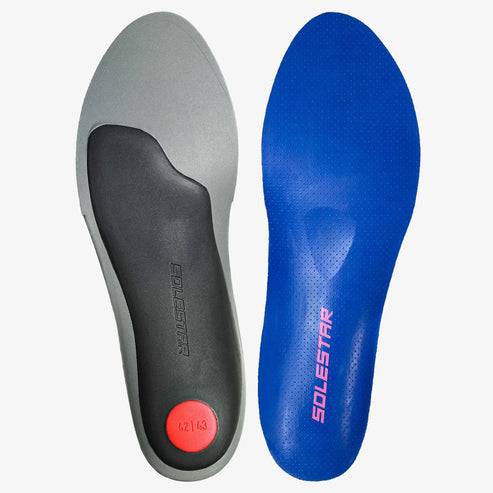
Solestar Kick Soccer Insoles
Insoles designed specifically for soccer players. Enhance control, stability, and overall performance. German-engineered with an ergonomic design to provide maximum support on the field.
Buy nowYour ankle isn’t just a hinge; it’s a complex joint that supports dynamic movement. Stability relies on a coordinated effort between your foot, ankle, and lower leg muscles. When alignment is off, even slightly, your balance suffers, increasing the risk of rolling or twisting the ankle during a game.

Recognizing early signs of instability or strain
Ankle pain doesn’t always mean a serious injury, but it’s a sign you shouldn’t ignore. Common red flags include mild swelling, stiffness after matches, or a feeling of “giving way” when changing direction. Addressing these early symptoms can prevent chronic instability or more severe ligament damage later on.
Exercises to strengthen stabilizing muscles and ligaments
Preventing ankle pain starts in your training routine. Try adding exercises like single-leg balance drills, resistance band eversion and inversion, and calf raises to build stability and strength. Performing these regularly improves proprioception — your body’s sense of position — which helps you react faster to awkward landings or sudden changes of pace.
How Solestar insoles help align the foot and protect the joint
One overlooked factor in ankle discomfort is poor foot alignment. That’s where Solestar insoles come in. Designed with biomechanical precision, they stabilize the foot and ensure even pressure distribution across the sole. This proper alignment reduces excessive ankle rotation, giving you a more balanced and secure stance whether you’re sprinting, cutting, or striking.

Tips for preventing ankle injuries during high-intensity play
To keep ankle issues at bay, consistency is key. Always warm up thoroughly, focusing on dynamic movements that activate the lower legs. Check that your cleats fit snugly without compressing the foot, and tape or brace weak ankles for additional support. After games, cool down and stretch to maintain joint flexibility and reduce stiffness.
Building long-term ankle resilience for consistent performance
Think of ankle health as a long-term investment. Combine regular strengthening exercises, proper recovery, and supportive gear like quality insoles to build lasting resilience. When your ankles are stable and strong, your movement becomes smoother, your reactions quicker, and your overall performance more consistent throughout the season.
Final Takeaway
Ankle pain doesn’t have to sideline you. With mindful training, smart gear choices, and early attention to discomfort, you can protect your joints, move more confidently, and play pain-free — no matter how intense the match gets.