Cycling thumb pain: Causes and solutions
Nothing ruins a great ride faster than nagging thumb pain that starts creeping in after just a few kilometers. This common complaint affects roadies, gravel riders, and mountain bikers alike—often at the base of the thumb or in the joint itself. The root causes are usually straightforward and fixable: excessive pressure, awkward positioning, or the relentless buzz from the road.
Fortunately, with some smart tweaks to your setup, technique, and habits, you can keep your thumbs happy and your rides enjoyable.
Why does thumb pain occur while cycling?
Your thumbs play a crucial stabilizing role when you're holding the bars, shifting, or braking. They absorb a lot of the forward weight, vibrations, and repetitive stress. Over hours in the saddle, this combination can irritate the thumb's base joint (CMC joint), tendons, or nearby nerves, resulting in soreness, stiffness, or even sharp pain that radiates up the hand.

Common causes of thumb pain in cyclists
The usual suspects include:
- Clenching the bars too tightly
- Excessive forward lean overloading the hands
- Constant thumb pressure from shifters or brakes
- Harsh road feedback and vibrations
- Pre-existing joint wear (like early thumb arthritis) or inflammation
Pain often builds gradually and feels worse after longer or rougher rides.
Handlebar pressure and thumb joint stress
When your bike fit forces too much weight onto your hands—common with aggressive, low, or stretched-out positions—the thumb base takes a beating. The CMC joint compresses under load, irritating cartilage and ligaments. Riders with any degree of arthritis feel this especially quickly.
Grip position mistakes that trigger pain
A "death grip," thumbs locked underneath the bar, or staying in one position too long are classic mistakes. On hoods, hyperextended wrists pull on thumb tendons; on flat bars, awkward shifter placement adds extra strain. Varying your grip and relaxing your hands makes a huge difference.

The role of nerve compression in thumb pain
Nerve irritation, especially of the median nerve (linked to carpal tunnel-like symptoms), frequently causes thumb tingling, numbness, or pain. Prolonged wrist flexion on bar tops or flat bars, combined with vibrations, compresses the nerve and amplifies discomfort in the thumb and first two fingers.
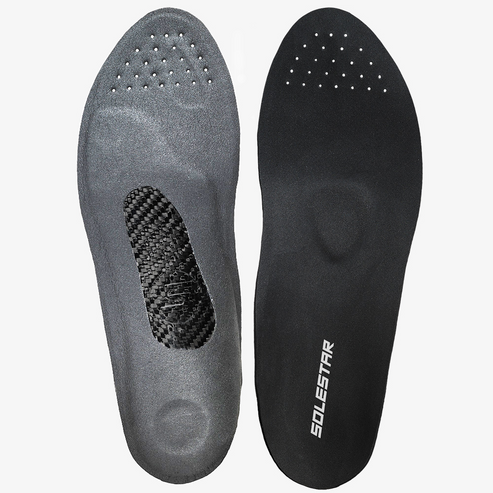
Solestar BLK Wide Insoles
The wide version of the best-selling Solestar BLK cycling insoles. Designed for maximum power transfer, support, and stability during rides. Features carbon core technology and an ergonomic shape for optimal performance and comfort.
Buy nowTips to relieve thumb pain during rides
Immediate relief is often simple:
- Relax your grip—support weight with your palms, not fingers.
- Switch positions frequently (hoods, tops, drops).
- Shake out and stretch your hands every 10–20 minutes.
- Invest in quality padded gloves.
- Use cushioned bar tape or gel inserts.
- Drop tire pressure slightly for less vibration.
These quick changes can often cut pain in half on the spot.
How to adjust your bike setup to prevent thumb pain
Bike fit adjustments are game-changers. Raise your handlebars (add spacers or flip the stem) to sit more upright and shift weight off your hands. Check saddle height for a slight elbow bend when reaching forward. Consider ergonomic grips or bar shapes that reduce thumb strain. Wider tires at lower pressure also dampen road buzz effectively.
Exercises and stretches for thumb and hand mobility
Off-bike mobility work prevents problems from building up. Try these daily:
- Wrist flexor/extensor stretches (pull fingers gently back and forward).
- Thumb-to-finger touches for opposition strength.
- Prayer stretch for overall wrist relief.
- Finger spreads and fist opens.
- Gentle nerve glides to free up the median nerve.
Regular practice keeps your hands supple and resilient.
When to Seek Professional Help for Cycling Thumb Pain
Seek expert advice if pain persists for weeks, includes numbness/weakness, swelling, or interferes with daily life. A physiotherapist, sports doctor, or hand specialist can diagnose issues like arthritis, tendonitis, or nerve compression and provide tailored treatments.
Long-Term Prevention: Better Ergonomics and Insoles
For lasting comfort on the bike, prioritize regular professional bike fits, build core and upper-body strength to offload your hands and arms, and mix up your hand positions and riding styles throughout each outing.
Interestingly, upgrading to high-quality cycling insoles like those from SOLESTAR can make a surprising difference in reducing overall strain—including the pressure that contributes to thumb and wrist pain. Here's why and how they help:
By stabilizing your feet in the optimal neutral position through their patented Stabilization Delta technology (a unique rigid core that counters unwanted pronation/supination), SOLESTAR insoles promote better overall posture and alignment from the ground up. This creates a more efficient pedaling platform, allowing you to sit more upright with less forward lean on the handlebars.