Testicular pain while cycling: Causes and solutions
Many cyclists eventually discover that not all pain comes from tired legs. One of the most unexpected discomforts on long rides is testicular pain — a problem that can turn an enjoyable session into a frustrating experience. This issue usually isn’t serious, but it’s a clear signal that your bike setup, posture, or saddle choice may need attention. With the right adjustments and awareness, you can ride comfortably again without risking long-term strain.
Why does testicular pain occur during bike riding?
Testicular pain while cycling often develops from prolonged pressure on sensitive nerves and blood vessels in the groin area. The position of your pelvis and the type of saddle you use can directly affect how much strain is placed on this region. Over time, that pressure can cause numbness, tingling, or aching pain that lingers even after you stop riding.

Common causes: Saddle pressure and riding position
The most frequent culprit is a saddle that’s too narrow, too high, or tilted incorrectly. When the saddle presses unevenly against the perineum (the soft tissue between your sit bones), it can cut off circulation and irritate nearby nerves. Poor posture — like leaning too far forward or locking your hips — amplifies this problem, placing unnecessary stress on your testicles.
The role of blood flow and compression
Healthy circulation is crucial when you’re cycling. When your body weight rests heavily on one area for too long, it restricts blood flow to the lower pelvis. This compression not only causes discomfort but can also lead to temporary numbness or reduced sensitivity. Ensuring your seat supports your sit bones instead of soft tissue helps maintain proper blood flow during long rides.
Posture mistakes most cyclists make
Even with the right gear, bad posture can undo your efforts. Many cyclists unknowingly round their lower back or hunch their shoulders, which shifts body weight forward. This poor alignment increases pressure on the groin. Keeping your core engaged and your pelvis neutral helps distribute weight evenly, reducing strain on the testicular region.
Tips to reduce and manage pain
- Choose a saddle with a central cut-out or pressure relief channel. This design reduces contact with sensitive areas.
- Wear padded cycling shorts to add cushioning and reduce friction.
- Stand up or shift position every 10–15 minutes during long rides to relieve pressure.
- Warm up and stretch before getting on your bike to loosen your hips and groin muscles.
Small adjustments to your setup and habits can make a big difference in comfort.
How proper saddle adjustment can help
A professional bike fit can eliminate many causes of cycling-related groin pain. The right saddle height, tilt, and position ensure that your weight rests on your sit bones, not your perineum. Even minor tweaks — like adjusting the saddle angle by just a few degrees — can significantly reduce compression and discomfort.
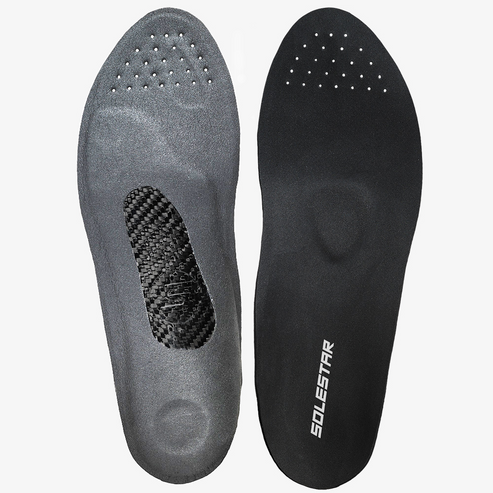
Solestar BLK Wide Insoles
The wide version of the best-selling Solestar BLK cycling insoles. Designed for maximum power transfer, support, and stability during rides. Features carbon core technology and an ergonomic shape for optimal performance and comfort.
Buy now
Long-Term prevention: Exercises and stretches
Strengthening your core, hip flexors, and glutes enhances pelvic stability and reduces strain during rides. Incorporate pelvic tilts, hip openers, and glute bridges into your weekly routine. Regular stretching after rides improves flexibility in the lower body, helping maintain good posture and blood circulation.
Additionally, Solestar insoles support proper foot alignment and stability, which helps optimize pelvic positioning on the bike, reduce excessive saddle pressure, and lower the risk of testicular pain during cycling.
Conclusion
Experiencing testicular pain while cycling is not something to ignore — it’s your body’s signal that adjustments are needed. By improving your bike setup, correcting your posture, and maintaining strong, flexible muscles, you can eliminate discomfort and enjoy pain-free rides for years to come.