Best running insoles: Support, comfort and performance
Running is one of the most accessible and rewarding forms of exercise, but it places significant stress on your feet, ankles, knees, and hips. While high-quality running shoes are essential, many runners overlook the importance of running-specific insoles. Upgrading from stock insoles to dedicated running inserts can dramatically improve support, comfort, and overall performance, helping you run longer, stronger, and with reduced risk of injury.
Why runners should use performance insoles
Most running shoes come with basic, flat insoles designed for general use rather than personalized support. Performance running insoles address individual foot mechanics, such as arch height, pronation, and gait patterns. They provide better arch support, shock absorption, and alignment, which stock insoles often lack.
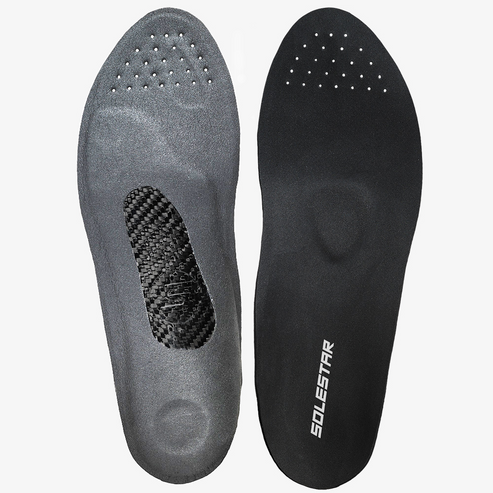
Solestar BLK Wide Insoles
The wide version of the best-selling Solestar BLK cycling insoles. Designed for maximum power transfer, support, and stability during rides. Features carbon core technology and an ergonomic shape for optimal performance and comfort.
Buy nowRunners benefit from insoles because they:
- Enhance comfort during long runs by reducing pressure points.
- Improve biomechanics, leading to more efficient strides and less fatigue.
- Help prevent overuse injuries like shin splints, runner's knee, and plantar fasciitis.
- Allow customization for flat feet, high arches, or neutral gaits.
Whether you're a casual jogger or training for a marathon, adding quality insoles can extend your running lifespan and make every mile more enjoyable.

Features of the best running insoles
Not all insoles are created equal. The top running insoles in 2026 share key features that prioritize performance and durability:
- Dynamic Arch Support: Available in low, medium, and high profiles to match your foot type.
- Shock Absorption: Heel and forefoot padding to reduce impact forces.
- Deep Heel Cup: For stability and better alignment.
- Breathable Materials: Moisture-wicking topsheets to prevent blisters and odor.
- Lightweight and Low-Profile Design: To fit snugly in running shoes without adding bulk.
- Energy Return: Flexible materials that provide a responsive feel.
- Durability: High-quality foams or carbon fiber that withstand hundreds of miles.
Look for trimmable options for a perfect fit and antimicrobial treatments for freshness.
How insoles help prevent common running injuries
Running involves repetitive impact, which can lead to injuries if your feet aren't properly supported. High-performance insoles mitigate this by distributing forces evenly and correcting biomechanical issues.
Common injuries they help prevent:
- Plantar Fasciitis → Rigid arch support reduces strain on the fascia.
- Shin Splints → Better shock absorption and alignment lessen tibial stress.
- Runner's Knee → Improved foot pronation control stabilizes the patella.
- Achilles Tendinitis → Heel cushioning and cups reduce tendon overload.
- Stress Fractures → Even pressure distribution protects bones.
By promoting neutral alignment and absorbing shock, insoles lower the risk of overuse injuries, allowing consistent training without setbacks.

Best Insoles for Long-Distance Running
Long-distance runners need insoles that excel in cushioning, durability, and fatigue reduction over extended miles.
Standouts include:
- Models with moldable bases for custom fit after break-in.
- High-cushion options with energy-return foams for sustained comfort.
- Those with deep heel cups and responsive padding to combat fatigue on marathons or ultras.
Prioritize insoles tested for high mileage—they maintain support without compressing quickly, helping you cross the finish line stronger.

Recommended Running Insoles for 2026
As we enter 2026, the standout recommendation for runners of all levels is the SOLESTAR Neutral Run insole.
This German-engineered insole stands out with its patented Stabilization Delta technology—a unique rigid stabilizing core that positions your foot in the optimal neutral alignment, regardless of arch type (flat, neutral, or high). This design delivers unmatched stability, efficient power transfer, reduced muscle fatigue, and effective injury prevention.

Key features and benefits:
- Lightweight and low-profile (85g per pair, just 3mm thick in the forefoot) for a seamless, natural fit in any running shoe.
- Multi-layer cushioning with EVA and PU foam, topped by a breathable, moisture-wicking textile cover.
- Versatile for all foot types and terrains—road or trail.
- Proven performance with elite athletes: German 10,000m champion Anna Gehring runs injury-free at the highest level; Ironman triathlete Phil Billikopf eliminated chronic knee pain; high-mileage runners like Jonathan Dahlke (130km/week) stay overload-free.
Whether you're dealing with knee issues, overpronation, or simply want better propulsion and comfort on long runs, the SOLESTAR Neutral Run is a proven game-changer in 2026.
Investing in these Biomechanical running insoles can elevate your running—fewer aches, more miles, and peak enjoyment.