Sartorius muscle pain while cycling: Causes and prevention
Pain along the inner thigh or the front of the hip can quickly turn an enjoyable ride into a frustrating experience. One lesser-known but surprisingly common culprit among cyclists is sartorius muscle irritation. Because of its unique length and role in pedaling mechanics, this muscle is especially vulnerable to overuse and poor positioning on the bike.
What is the sartorius muscle and its function?
The sartorius is the longest muscle in the human body, running diagonally from the outside of the hip (anterior superior iliac spine) down to the inside of the knee. It assists in:
- Hip flexion and external rotation
- Knee flexion
- Coordinating smooth leg movement
In cycling, the sartorius contributes to hip control during the upstroke, helping guide the leg through repeated flexion and rotation under load.

Why cycling can affect the sartorius
Cycling is a repetitive, high-volume movement. Even small inefficiencies can overload certain tissues over time. The sartorius often becomes stressed when:
- Hip mechanics are unstable
- Pedaling motion includes excessive internal or external rotation
- The rider compensates for poor alignment elsewhere in the chain
Unlike more powerful muscles such as the quadriceps or glutes, the sartorius is a secondary stabilizer, meaning it fatigues quickly when forced to do more than its share of the work.
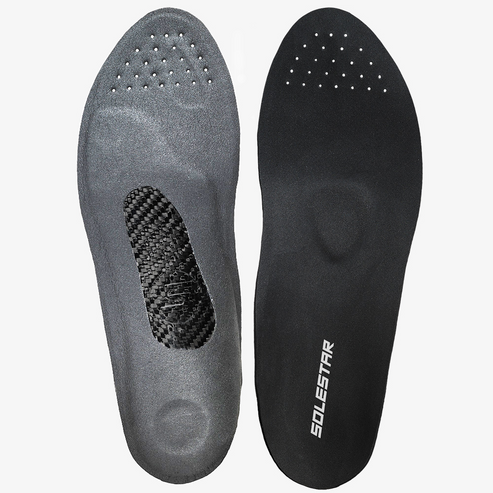
Solestar BLK Wide Insoles
The wide version of the best-selling Solestar BLK cycling insoles. Designed for maximum power transfer, support, and stability during rides. Features carbon core technology and an ergonomic shape for optimal performance and comfort.
Buy nowBiomechanical factors and technique errors
Several riding and setup issues can increase tension on the sartorius muscle:
Excessive Hip Rotation
If the knees drift inward or outward during pedaling, the sartorius must work harder to control leg tracking.
Saddle Height Errors
A saddle set too high increases hip reach and strain during the upstroke, while a saddle that’s too low encourages constant hip flexion.
Foot and Cleat Misalignment
Improper foot positioning can transmit rotational stress upward, pulling on the inner thigh and hip muscles with every pedal stroke. Due to the patented core, Solestar insoles work on the entire foot, from the heel to the forefoot.

Weak Core and Pelvic Control
Without stable support from the trunk, the hips shift unnecessarily, increasing reliance on smaller muscles like the sartorius.
Symptoms of sartorius overuse
Sartorius irritation doesn’t always feel the same for every cyclist, but common symptoms include:
- Dull or sharp pain at the front of the hip
- Tenderness along the inner thigh
- Discomfort near the inside of the knee
- Tightness that worsens during longer rides or climbing
- Pain when lifting the knee or rotating the hip outward
Ignoring these signals can lead to chronic tightness or compensatory injuries elsewhere.

Stretching and strengthening exercises
Effective Sartorius Stretches
- Standing hip extension with gentle external rotation
- Kneeling hip flexor stretch with controlled pelvic tilt
- Seated figure-four stretch (performed lightly)
Stretching should feel relieving, not aggressive.
Strengthening to Reduce Load
- Single-leg glute bridges
- Controlled step-downs
- Dead bug or anti-rotation core exercises
By strengthening larger stabilizers, the sartorius no longer has to compensate for weakness.
Bike fit adjustments to prevent pain
Small setup changes can dramatically reduce strain on the sartorius muscle:
- Optimize saddle height and setback to reduce excessive hip flexion
- Check cleat position to ensure neutral foot rotation
- Widen stance or adjust pedal spacers if knee tracking is inconsistent
- Ensure balanced reach and handlebar height to stabilize the pelvis
A professional bike fit often reveals subtle asymmetries that riders miss.
Prevention tips for cyclists
To keep sartorius pain from returning:
- Increase training volume gradually
- Warm up hips and glutes before rides
- Maintain mobility in the hip flexors and adductors
- Prioritize foot stability to improve leg alignment
- Address discomfort early instead of riding through pain
When the lower body moves efficiently as a unit, no single muscle is forced to absorb excessive stress.

CONCLUSION
Sartorius muscle pain while cycling is often overlooked, yet it plays a critical role in hip control and pedal mechanics. With smarter training habits, proper bike setup, and improved alignment from the feet upward, cyclists can eliminate discomfort and restore smooth, pain-free motion on the bike.
Address the cause, not just the symptoms, and your rides will feel stronger and more balanced again.